Corn and Callus Removal in Tucson, AZ: What to Know About Thick Skin and Foot Pressure
Corns and calluses are common areas of thick skin that form when the foot is exposed to repeated pressure or friction. They often develop on the toes, balls of the feet, heels, or other pressure points.
For people searching for corn and callus removal Tucson AZ, understanding why thick skin forms can help guide safer next steps and reduce the chance of recurring discomfort.
What Are Corns and Calluses?
Corns and calluses are the skin’s response to repeated rubbing or pressure. A callus is usually a broader area of thick skin, while a corn is often smaller, more focused, and may have a firm center.
Toe corns can form on the tops, sides, or between toes where shoes or neighboring toes create friction. They may be tender when pressed or when wearing tighter footwear.
Why Thick Skin Forms on the Feet
Thick skin often develops to protect areas that carry extra stress. Common causes include tight shoes, worn-out footwear, high-pressure walking patterns, bunions, hammertoes, and long periods of standing.
In Tucson, AZ, sandals and desert activity can also expose the feet to friction, dryness, and pressure changes. Dry skin may make thickened areas feel rougher or more uncomfortable.
Common Symptoms Linked to Pressure Points
Corns and calluses may feel hard, dry, rough, or tender when pressed. Some people notice foot pain when walking, standing, or wearing certain shoes.
Pain may be worse over bony areas or under the ball of the foot where pressure points are concentrated. A focused corn can feel like a small pebble in the shoe, while a callus may feel like a broad patch of hard skin.
Safe Corn and Callus Removal: What a Podiatrist May Do
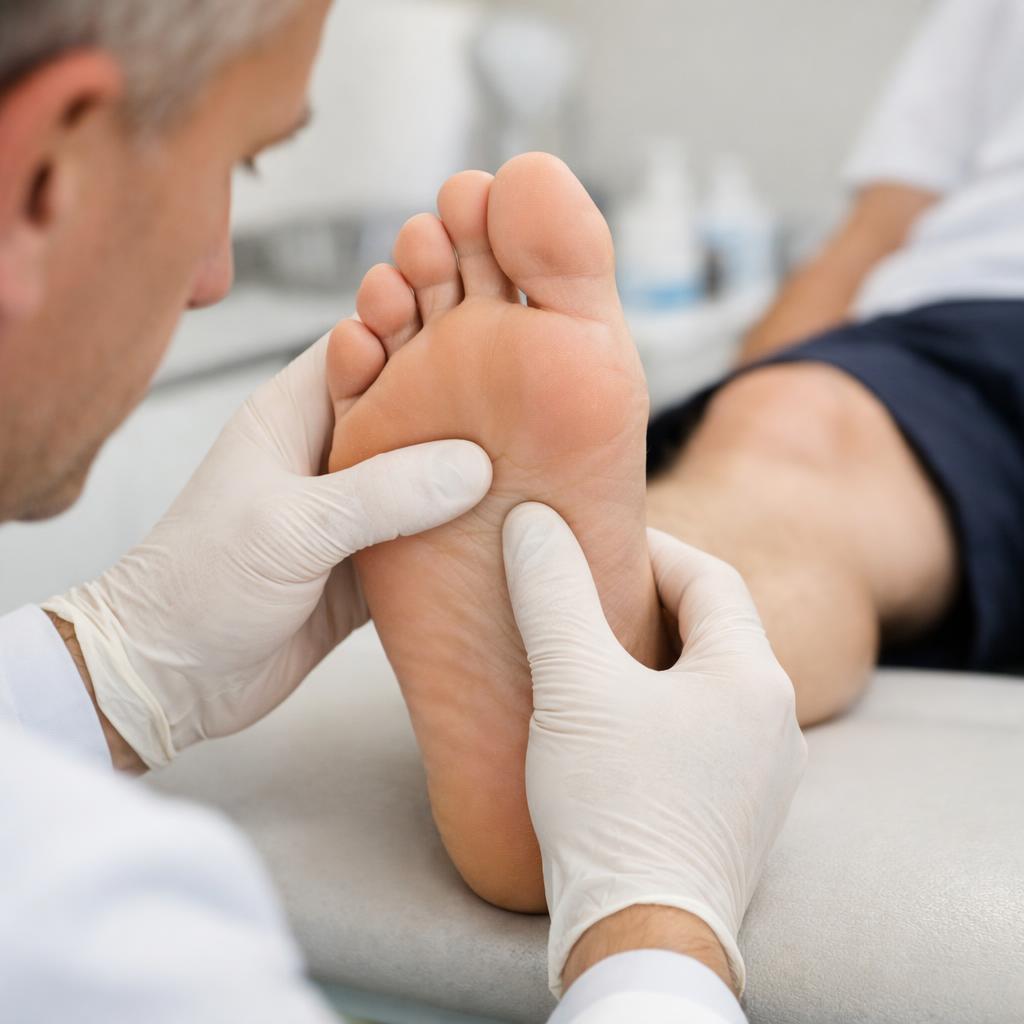
A podiatrist can evaluate the skin and the underlying foot mechanics that may be causing the problem. Professional care may include careful reduction of thickened skin, padding recommendations, footwear guidance, offloading strategies, or custom orthotics when appropriate.
The goal is to reduce pressure and help lower the chance of recurrence. Treatment plans vary because corns and calluses can be linked to shoe fit, toe alignment, walking mechanics, or medical conditions.
What to Avoid at Home
Avoid cutting corns or calluses with razors, knives, or sharp tools. This can lead to cuts, bleeding, infection, or delayed healing.
Over-the-counter medicated pads may contain acids that can irritate or injure the skin, especially for people with diabetes, poor circulation, neuropathy, or fragile skin. Gentle moisturizing and proper footwear may help, but painful or recurring thick skin should be evaluated.
When to See a Podiatrist in Tucson, AZ
Consider seeing a podiatrist if corns or calluses are painful, keep returning, change color, crack, bleed, drain, or limit walking. People with diabetes, circulation concerns, numbness, or immune system conditions should seek professional foot care rather than self-treating.
An evaluation can help identify whether pressure points, toe alignment, or shoe fit are contributing to symptoms. Tucson Foot and Ankle Institute can provide educational guidance and podiatric evaluation for foot pain related to corns and calluses in Tucson, AZ.
Preventing Recurrence
Prevention often focuses on reducing friction and pressure. Helpful steps may include wearing properly fitted shoes, using protective padding when recommended, rotating footwear, moisturizing dry skin, and addressing structural issues such as hammertoes or bunions.
A podiatrist can help determine which prevention strategies fit the specific pressure pattern. This may be especially helpful for people whose calluses return in the same spot.
Frequently Asked Questions
Are corns and calluses the same thing?
They are related but not identical. Calluses are usually broader areas of thick skin, while corns are smaller and often form over focused pressure points, especially on or between toes.
Can I cut off a corn or callus at home?
It is not recommended to cut thick skin with sharp tools at home. This can cause cuts, infection, or skin injury, especially for people with diabetes or circulation problems.
Why do toe corns keep coming back?
Toe corns often return when the pressure or friction causing them is still present. Shoe fit, toe shape, hammertoes, or bony pressure points may contribute.
Does corn and callus removal hurt?
Professional reduction of thickened skin is typically done carefully to reduce discomfort, but experience varies. A podiatrist can explain what to expect based on the condition of the skin.
When should I seek care for foot pain from thick skin?
Seek podiatric care if pain affects walking, the area cracks or bleeds, the skin changes color, or you have diabetes, numbness, poor circulation, or recurring symptoms.
Medical Disclaimer
This content is for educational purposes only and is not a diagnosis or personalized treatment advice. Tucson Foot and Ankle Institute in Tucson, AZ encourages patients to consult a qualified medical professional for concerns about corns, calluses, foot pain, or skin changes.
Author Bio
Reviewed by Dr. Alan Shih, DPM
Sources
- American Academy of Dermatology Association
- Mayo Clinic
- Cleveland Clinic
- American Podiatric Medical Association