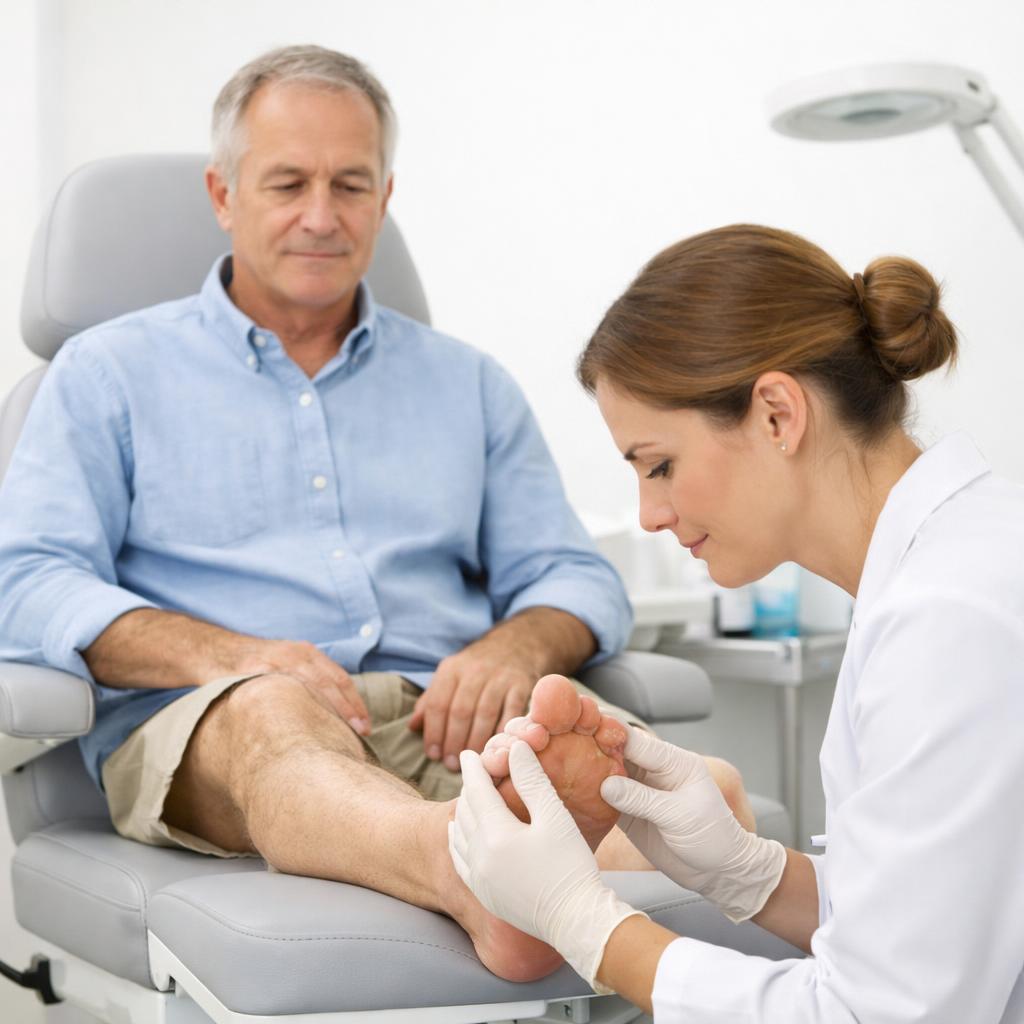
Morton’s Neuroma Treatment in Tucson, AZ
Morton’s neuroma is a common source of forefoot pain that can cause burning, tingling, or numb toes, often between the third and fourth toes. It involves irritation and thickening around a nerve in the ball of the foot, which may feel worse in tight shoes or during prolonged walking.
At Tucson Foot and Ankle Institute in Tucson, AZ, Morton’s Neuroma Care focuses on education, careful evaluation, and treatment options that may help reduce pressure on the irritated nerve.
What Is Morton’s Neuroma?
Morton’s neuroma is not a true tumor in most cases. It is usually described as thickened tissue around a nerve in the forefoot. This nerve irritation can create sharp, burning, or electric-like discomfort in the ball of the foot and may radiate into the toes.
Common Symptoms of Morton’s Neuroma
People with Morton’s neuroma may notice forefoot pain, tingling, numb toes, or a feeling like there is a pebble in the shoe. Symptoms may come and go at first, especially with activity, narrow footwear, high heels, or time spent standing on hard surfaces.
Morton’s Neuroma and Metatarsalgia
Metatarsalgia is a general term for pain in the ball of the foot. Morton’s neuroma is one possible cause, but other conditions can also create similar symptoms, including joint inflammation, stress injuries, calluses, or fat pad irritation. A podiatric evaluation can help identify the likely source of pain.
Conservative Treatment Options
Early Morton’s neuroma treatment in Tucson, AZ may include footwear changes, wider toe boxes, lower heels, padding, activity modification, custom or prefabricated orthotics, and anti-inflammatory strategies when appropriate. These approaches aim to reduce pressure across the forefoot and calm nerve irritation.
When Injections or Advanced Care May Be Considered
If symptoms continue despite conservative care, a podiatrist may discuss additional options such as image-guided evaluation, corticosteroid injections, alcohol sclerosing injections, or other procedures depending on the patient’s findings and goals. Not every option is appropriate for every person, so treatment decisions should be based on an in-person medical evaluation.
When to See a Podiatrist
Consider seeing a podiatrist if forefoot pain lasts more than a few days, keeps returning, affects walking, causes numb toes, or limits daily activity. Prompt evaluation is also important if pain follows an injury, swelling is significant, or symptoms are worsening.
Local Footwear Factors in Tucson, AZ
In Tucson, AZ, active lifestyles, walking on hard surfaces, hiking, workplace standing, and warm-weather footwear can all influence forefoot pressure. Supportive shoes with enough room in the toe box may reduce irritation for some people, especially when combined with a podiatrist-recommended plan.
FAQ
What does Morton’s neuroma feel like?
It may feel like burning, tingling, numbness, or a pebble under the ball of the foot, often between the third and fourth toes.
Can shoes make Morton’s neuroma worse?
Yes. Tight shoes, narrow toe boxes, and high heels can increase pressure on the forefoot and may aggravate nerve irritation.
Is Morton’s neuroma the same as metatarsalgia?
No. Metatarsalgia means pain in the ball of the foot. Morton’s neuroma is one possible cause of metatarsalgia.
Do all Morton’s neuromas require surgery?
No. Many cases are first managed with conservative options such as shoe changes, padding, orthotics, and other non-surgical care.
When should I seek care for numb toes or forefoot pain?
Seek podiatric care if symptoms persist, recur, worsen, affect walking, or interfere with normal activities.
Medical Disclaimer
This content is for educational purposes only and is not a diagnosis or personalized treatment plan. Tucson Foot and Ankle Institute in Tucson, AZ recommends scheduling an evaluation with a qualified medical professional for concerns about forefoot pain, numb toes, nerve irritation, or Morton’s neuroma.
Author Bio
Reviewed by Dr. Alan Shih, DPM
Sources
- Mayo Clinic
- American Academy of Orthopaedic Surgeons
- Cleveland Clinic
- National Institute of Arthritis and Musculoskeletal and Skin Diseases