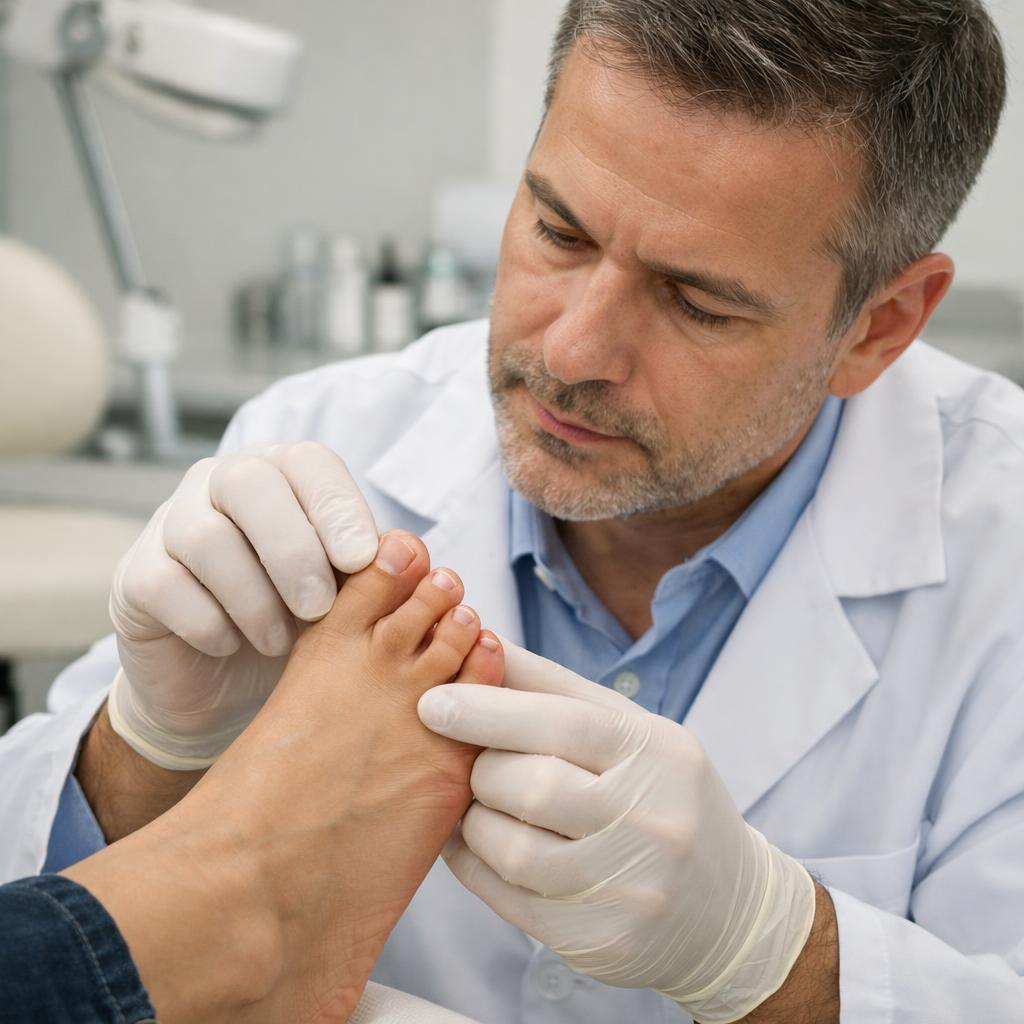
Hammertoe Treatment in Tucson AZ
Hammertoe is a common foot condition that causes one or more toes to bend abnormally at the middle joint, often leading to curling toes, pressure, and toe pain. Over time, the toe may become stiff and harder to straighten.
At Tucson Foot and Ankle Institute in Tucson, AZ, we provide educational guidance and professional care options for patients seeking hammertoe treatment in Tucson AZ.
What Is a Hammertoe?
A hammertoe occurs when the middle joint of a toe bends downward instead of lying flat. This creates a curled appearance and may cause friction against shoes. Hammertoes most often affect the second, third, or fourth toes.
In early stages, the toe may still be flexible. Over time, the joint can become rigid, making conservative treatment more challenging.
Common Causes of Curling Toes
Several factors can contribute to hammertoe development, including:
- Tight or narrow footwear
- Muscle and tendon imbalances in the foot
- Injury to the toe
- Arthritis
- Genetic foot structure
Wearing shoes that crowd the toes is one of the most common contributors to curling toes and progressive deformity.
Symptoms of Hammertoe
Symptoms can range from mild to more noticeable discomfort. Common signs include:
- Toe pain, especially when wearing shoes
- Corns or calluses on the top of the toe
- Redness or swelling around the joint
- Difficulty straightening the toe
If toe pain interferes with walking or daily activities in Tucson, AZ, it may be time to seek a professional evaluation.
Non-Surgical Hammertoe Treatment Options
Early hammertoe treatment in Tucson AZ often focuses on relieving pressure and improving alignment. Non-surgical options may include:
- Wearing shoes with a wide toe box
- Padding or protective cushions
- Custom orthotics to support foot mechanics
- Gentle stretching exercises
These approaches aim to reduce discomfort and slow progression, particularly when the toe remains flexible.
Hammertoe Correction Procedures
When conservative care does not relieve symptoms, surgical hammertoe correction may be considered. Procedures vary depending on whether the toe is flexible or rigid and may involve releasing tight tendons or correcting joint alignment.
A podiatrist will determine the most appropriate approach based on the severity of the deformity, overall foot structure, and patient goals.
When to See a Podiatrist in Tucson, AZ
You should consider seeing a podiatrist if:
- Toe pain persists despite changing shoes
- Corns or calluses keep returning
- The toe becomes stiff or difficult to move
- Walking becomes uncomfortable
Early evaluation at Tucson Foot and Ankle Institute can help identify the stage of the condition and discuss appropriate hammertoe treatment options.
Frequently Asked Questions
Can a hammertoe straighten on its own?
In most cases, a hammertoe does not straighten on its own. Early, flexible hammertoes may improve with proper footwear and support, but progression can occur without treatment.
Is hammertoe treatment always surgical?
No. Many patients benefit from non-surgical treatments such as shoe modifications, padding, and orthotics. Surgery is typically considered when conservative options do not relieve symptoms.
What shoes are best for hammertoes?
Shoes with a wide toe box, soft uppers, and low heels are generally recommended to reduce pressure on the toes.
Can hammertoes cause long-term problems?
If left untreated, hammertoes may become rigid and lead to chronic toe pain, corns, and difficulty walking.
How do I know if I need hammertoe correction?
If toe pain persists, the toe becomes stiff, or daily activities are affected, a podiatrist can evaluate whether conservative care or surgical correction may be appropriate.
Medical Disclaimer: This content is for educational purposes only and does not constitute medical advice, diagnosis, or treatment. For personalized evaluation and care, please contact Tucson Foot and Ankle Institute in Tucson, AZ.
Author Bio
Reviewed by Dr. Alan Shih, DPM
Sources
Mayo Clinic
American Academy of Orthopaedic Surgeons
National Institutes of Health
American Podiatric Medical Association